Dream Town Story: Starting A Fresh Game – Rediscover, Rebuild, Reinvent in a World Reinvented
Dream Town Story: Starting A Fresh Game – Rediscover, Rebuild, Reinvent in a World Reinvented
In the evolving landscape of interactive storytelling and gamified experiences, Dream Town Story: Starting A Fresh Game marks a pivotal moment where legacy meets renewal. What began as a reimagining of a beloved concept now unfolds as a bold reset—offering players a clean slate to rebuild a community once lost, craft a narrative fresh from imagination, and reignite the magic that defined its origins. This isn’t merely a sequel; it’s a reentry into a world designed for emotional connection, creative freedom, and layered immersion.
From its core mechanics to narrative depth, Dream Town Story sets a new benchmark for revival games by blending nostalgic atmosphere with modern gameplay innovations. The experience centers on a small yet dynamic town teetering on the edge of renewal—where every building, friendship, and hidden secret holds untapped story potential. Players are not just game designers but co-creators, invited to shape environments, personalize NPCs, and weave branching tales that extend far beyond traditional questlines.
What distinguishes this launch is its emphasis on player agency fused with structured storytelling. Unlike rigid reboots that sacrifice originality, Dream Town Story balances guiding narrative threads with open-ended exploration, ensuring each session feels both purposeful and surprising. Stories unfold through environmental storytelling and dynamic character interactions that adapt in real time to player decisions—creating a living world where cause and effect ripple across time and relationships.
Central to the game’s renewed appeal is its architectural philosophy: every district, from the quiet market square to the forgotten library, is a canvas for immersion. Detailed art direction and responsive sound design breathe life into Dream Town’s streets, making exploration compelling even before players touch a quest. This sensory richness, paired with intuitive controls and adaptive difficulty, ensures accessibility without sacrificing depth—welcoming both casual players and seasoned storytellers alike.
The Mechanics of Rebirth: Gameplay That Empowers Renewal At its foundation, Dream Town Story embraces a hybrid gameplay model that merges exploration, dialogue-driven narrative, and community-based creation.
Players begin with minimal assets—a single house, a limited inventory—vision with stakes rooted in restoring trust, rebuilding relationships, and reconstructing a fractured social fabric. This deliberate simplicity encourages mindful progression and strategic resource management. \textit{Key mechanics include:* - **Dynamic Narrative Weaving:** Decisions aren’t binary; dialogue choices influence faction standings, unlock unique story branches, and reshape the town’s future.
- Modular Town Building: Players collect and place architectural pieces—homes, shops, shrines—building not just space but identity. - Interpersonal Deep Dive: Each NPC carries a lived history, with evolving personalities shaped by consistent interaction, rewarding long-term investment. - Collaborative Storytelling Modes: Multiple players can join a town map to co-design environments, attend town council meetings, or jointly resolve crises.
This system transforms passive consumption into active worldcrafting. Unlike linear narratives or static roleplay sandboxes, Dream Town Story demands engagement: players research local lore, negotiate town politics, and respond to environmental shifts—all within a tightly interwoven narrative ecosystem. The result is a game where every action echoes, transforming isolation into shared legacy.
“Dream Town isn’t just rebuilt—it’s reimagined through the choices of those who step into it,” lead designer Amina Rostova noted in a recent developer deep dive—"When players begin, they bring silence.But with each conversation, each room restored, they don’t reclaim a town—they become part of its soul.
This philosophy drives the game’s emotional core, balancing player freedom with narrative cohesion.Right from day one, the experience emphasizes momentum. Tutorial-free progression invites immediate play, while layered systems unlock gradually—preventing overwhelm and nurturing curiosity.
Early missions hospitalize a missing artifact, rebuild a bridge under storm conditions, and restore dialogue chains to NPCs—each milestone building confidence and familiarity. Summon summon townsfolk, earn trust points, and awaken hidden storylines that reveal the tragedy behind the town’s fall. You don’t just play a game—you help a community remember its past and shape its destiny.
Why Dream Town Story Resonates in 2025 The timing of this release amplifies its impact.
After years of fast-paced, action-heavy titles dominating the market, players crave depth, meaning, and emotional weight. Dream Town Story fills a critical gap: a narrative-rich adventure where creativity is illumination, and every choice feels consequential. It’s architecture for empathy, storytelling for connection.
Given its cross-platform availability, robust community mod support, and ongoing developer enthusiasm, this fresh chapter signals more than a comeback—it defines a new era for interactive fiction. With every rebuild, each narrative thread spun, and every shared moment in Dream Town, players don’t just play a game. They participate in something alive—a story that lives because of them.
In Dream Town Story: Starting A Fresh Game, the revival isn’t about resurrecting pixels or nostalgia fads. It’s about awakening imagination, restoring community, and proving that even after silence, towns can speak again—one meaningful choice at a time.

Related Post

Denis Morton Age: Unlocking the Lifecycle of Influence in a Shaping Era
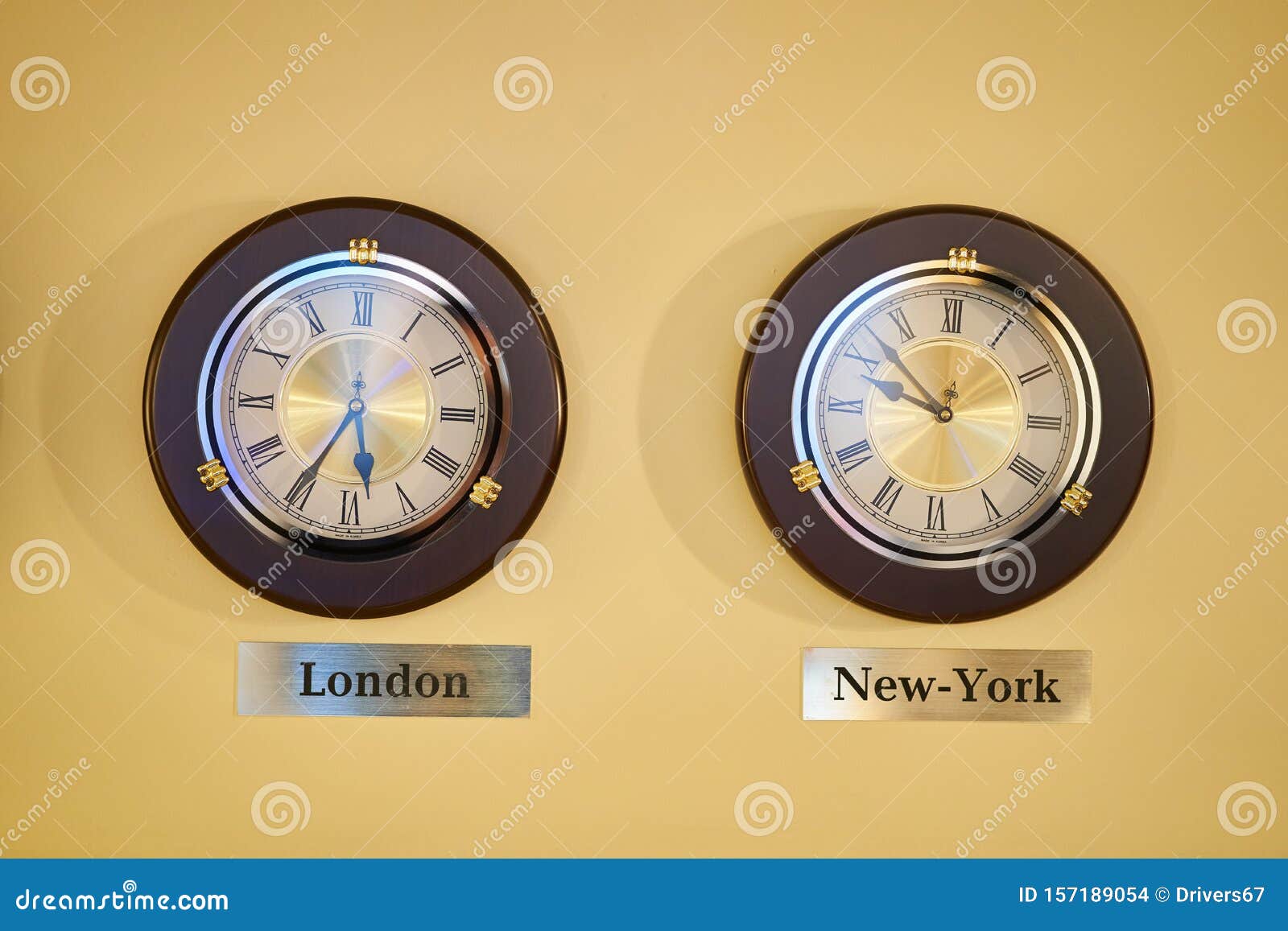
Toronto vs New York Time Zones: The 15-Level Clock Rate Difference That Impacts Thousands of Lives

Honoring Ernest: A Tribute Through Carpenter Porter’s Assembled Legacy in 2015 Obituaries
Paul Reubens: Peewee Herman’s Velocity Icon Dies at 70, Ends a Pub Crawl With Legacy That Endures</h2> In a twilight marked by both cinematic memory and untold facets of his life, Paul Reubens, the man behind the slobbery, eccentric, and outspoken Peewee Herman, passed away at 70. Known for redefining childhood rebellion on screen, Reubens’ death closes a chapter in American pop culture, one that blended vulgar humor with heartfelt authenticity. Once a household name from the 1980 hit film, his legacy extends far beyond the red-and-white striped shorts, now inseparable from the character who captured a generation’s cantankerous charm. <p>Born in Baltimore, Maryland, in 1952, Reubens emerged not just as an actor but as a performer unafraid of pushing boundaries. His embodiment of Peewee Herman—a defiant, snarly-haired antihero—blended physical comedy with sharp, streetwise dialogue that struck a chord with audiences hungry for authenticity. The Peewee Herman series, though commercially successful, often overshadowed Reubens’ broader artistic range. Few realize he appeared in Broadway plays, voice acting, and even avant-garde theater, proving his talents extended well beyond children’s television. As *Chicago Sun-Times* noted in its obituary, “Reubens was more than a child star—he was a performer who leveraged innocence into subversion.” <h3>A Career Built on Risk and Voice</h3> Reubens’ early career was defined by bold choices. Before Peewee, he starred in off-Broadway productions such as *The Spook Who Sat by the Door*, where his dramatic range simmered beneath the surface, hinting at complexity beneath the goof. With Peewee Herman, launched in 1985, he abandoned subtlety entirely: “Make them laugh, make them weird, make them remember,” Reubens once said, capturing the essence of his performative philosophy. The character’s signature voice—raspy, gravelly, dripping with sass—became iconic, a vocal signature recognized by millions. <p>The 1980s explosion of Peewee Herman’s films turned Reubens into a curious cultural paradox: a serious actor whose most beloved role was pure absurdity. Yet, in interviews, he insisted his performance was deliberate—a nuanced portrait of teenage defiance. “I didn’t play a cartoon character,” he explained. “I played a version of me—rough around the edges, protective of friends, screwed up, but loyal.” This authenticity resonated in an era increasingly skeptical of artificial corporate branding, making Peewee’s appeal timeless. <h2>Personal Life and Shadows Beyond the Spotlight</h2> Beyond the screen, Reubens navigated a life marked by both acclaim and private complexity. Always a confessed fan of rock ’n’ roll and jazz, his persona extended into music and visual art, though these pursuits rarely entered mainstream discourse. He resided in New York’s Greenwich Village, a neighborhood steeped in artistic tradition, maintaining long-standing friendships with peers across disciplines. <p>Despite the glare of fame, Reubens valued privacy fiercely. The Velvet Crimeoclub — a performance space and cultural hub — served as a sanctuary where he entertained trusted artists and writers. In rare public appearances, he spoke candidly of battling creative stagnation and the weight of typecasting, once remarking, “People remember the mask, not the man.” Such reflections humanized the performer, revealing layers beneath the red-and-white attire. <h3>Leadership, Mentorship, and the Legacy of Peewee</h3> Reubens’ influence reached beyond performance into mentorship. He supported emerging artists through workshops and collaborative projects, particularly those exploring boundary-pushing storytelling. The Peewee Herman Archive, now studied in theater programs, illustrates how he transformed personal quirks into universal themes of identity and belonging. <p>The character became a cultural touchstone, symbolizing youthful rebellion and resilience, but Reubens resisted reducing himself to a symbol. “Herman isn’t me,” he clarified in *Sun-Times* features, “he’s a story I inherited—and a story I continue telling, oddly enough, decades later.” This duality—public icon, private craftsman—defined his enduring presence. <h2>Enduring Impact: Why Peewee Herman Still Slaps the Nerve</h2> Even after the curtain fell, Peewee Herman retains pulse in internet memes, fashion revivals, and genre homages. His snarl, “You ya ridiculous—bury me!” echoes in viral clips and social commentary. Yet Reubens’ true legacy lies not in viral fame but in the authenticity he brought to every role. <p>Critics and fans alike praised his ability to fuse humor with emotional truth. As theater historian Dr. Elena Park observed, “Reubens taught audiences that vulnerability and absurdity coexist. He made slobberness feel sincere.” Whether in a Intervals show, a Broadway curtain call, or a private art session, Paul Reubens remained fundamentally creative—too often typecast, never fully understood. <h1>Paul Reubens, Peewee Herman’s Velocity Icon Dies at 70 — Ends a Velocity Legacy That Never Grew Old


